


PokerStars: Texas Holdem Games
2.610.62K Reviews
App Specs
- Version
- 3.94.0
- Updated On
- License
- Free
- Downloads
- 10,000,000+
- Developer
- TSG Platforms Ireland Limited
- Categories
- Card
- Platform
- Android
Screenshots
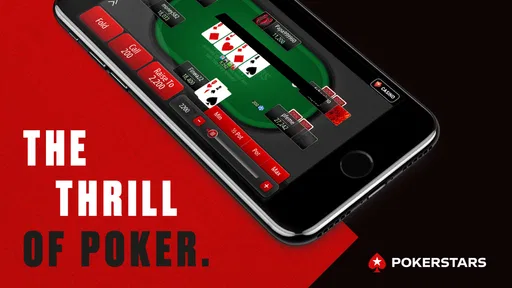
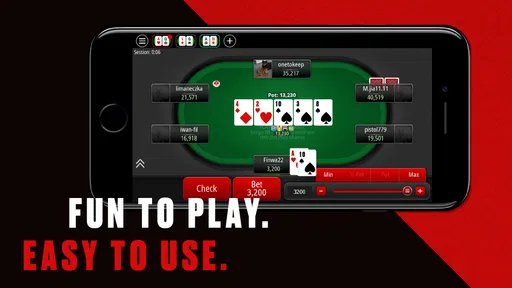
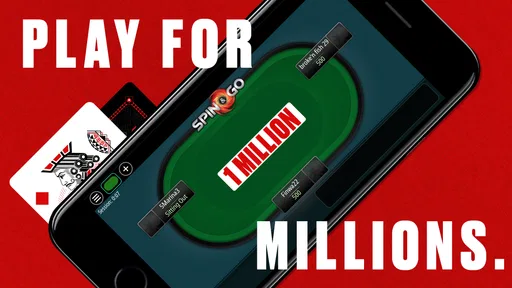
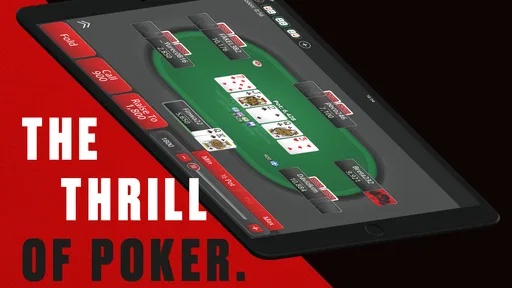
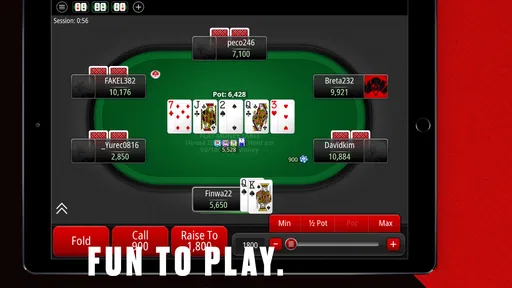
 Analysis by AppCompare
I first think of PokerStars: Texas Holdem Games as a convenient way to play a familiar card game in short sessions, rather than as a substitute for a night around a real table. It is a free poker game from TSG Platforms Ireland Limited, with Texas Hold’em and Omaha among its formats and both cash-style games and tournaments. If you are new, the useful first goal is modest: learn the table flow, make a few decisions, and leave knowing what you want to try next.
Getting Started with PokerStars
First off, installing the app was a breeze. Available on both Android and iOS, you can find it easily on the respective app stores. Once you’re in, you’ll be greeted with a clean and intuitive interface. It’s designed in a way that even a newbie won't feel overwhelmed. I appreciated how PokerStars seamlessly guides you through setting up your account, making it super easy to get started.
What to expect at the table
The game has been around since May 22, 2012, and the current version is 3.90.0. It has an average rating of 2.8 from about 337,000 ratings, alongside roughly 11,000 written reviews, so I would not treat its popularity as proof that every part of the experience suits everyone. More than 10 million installs show that it has a large audience, but the low average rating is a useful reminder to approach it with realistic expectations: you may enjoy the poker itself while finding the app’s progression, social activity, or virtual-chip economy less appealing.
The game is free to start, and the store’s age guidance is Teen. In-app purchases range from $0.99 to $399.99 per item, which makes it worth deciding in advance whether you want to keep the experience strictly free. The recurring free-chip allowance gives you a way to return to play without buying chips, but it does not make every table decision consequence-free: running low can still interrupt a session or nudge you toward spending. I recommend treating chips as entertainment tokens, not as a measure of real poker skill or money.
First setup and a useful first session
Once you open the game, resist the temptation to jump straight into a tournament simply because it looks like the most exciting option. For a first visit, choose a low-pressure place to understand the interface and watch a few hands before committing to a longer session. Notice where the available games are shown, how the table presents the community cards, and where you can check, call, raise, or fold. Those small orientation steps make the first actual decision feel much less rushed.
A practical first-session target is not to win a big pot; it is to recognize the sequence of a hand and make one deliberate choice at each stage. If you have a weak starting hand, folding is a successful decision, not a failure. If you are unsure what an opponent’s move means, observe instead of trying to recover chips with a speculative raise. I find that this mindset makes a casual poker app more enjoyable, especially when the table moves faster than a beginner expects.
The Gameplay Experience
Now, onto the fun part – actually playing the game. The app offers a plethora of poker variations, but of course, the star of the show is Texas Hold’em. The tables are always buzzing with players from around the globe, making each game unpredictable and exciting. I loved how the app replicates the real-life poker atmosphere with its smooth animations and realistic sound effects. It’s almost like being in a casino!
Worth Reading Before You Choose

Flipboard Shows What News Apps Must Do Beyond the Feed

Switching to Android Auto Means Rethinking Your Driving Routine

Google Calendar Makes a Crowded Week Easier to Manage

Ludo King Makes the Most of the Minutes Between Plans

Baby Panda World Brings Quick Play to Modern Phones, but Its Game Library Feels Busy

ESPN’s Live Game View Makes Following Close Games Easier
For those who enjoy a bit of a challenge, there are competitive tournaments and events you can join. Trust me, the adrenaline rush is real! Plus, the app offers a variety of stakes, so whether you’re playing for fun or looking to up your poker game, there’s a seat for you at the table.
Choosing between a quick game and a tournament
Cash-style tables and tournaments suit different moods. A cash game is easier to fit into a short break because you can focus on individual hands and stop when you need to. A tournament asks for a longer stretch of attention: leaving early may mean missing the part you joined to experience. If you are playing during a commute or between errands, I would pick a brief table session rather than enter an event that could demand more time than you have.
Omaha is a useful change of pace once Hold’em feels familiar, but I would not switch formats just to chase variety before understanding the basics. The extra complexity can make it harder to judge a hand quickly. A good progression is to settle into Hold’em first, then try Omaha when you can give the table your attention and are curious about a different decision-making rhythm.
Features That Stand Out
One of the coolest features of PokerStars is the social aspect. You can easily invite friends to join your table, or make new friends as you play. There’s a chat feature that lets you communicate with other players, adding a layer of interaction that I found really enjoyable.
That social layer is best when you want a shared activity, not when you need a quiet, distraction-free way to study. Chat can make a friendly game feel more personal, but it also competes with the attention poker requires. I would keep the conversation light during a casual hand and mute the social noise mentally when you are trying to follow betting patterns. If you are uncomfortable chatting with strangers, you can still approach the app as a card game and simply avoid making conversation a central part of the session.
Making free chips work for your routine
The game’s free-chip allowance refreshes every four hours, which can suit a routine built around brief visits rather than one long grind. I would use that rhythm as a natural stopping point: play a little, leave when your chips or attention run low, and come back later if you still want to. It is a more controlled habit than staying at a table because you feel you must win back what you have lost.
Daily challenges and missions can give a session a clear purpose, but I would treat them as optional prompts rather than obligations. Before following one, consider whether its task fits the way you actually want to play. Chasing a reward can encourage hands you would otherwise fold or keep you in the app longer than planned. The useful trade-off is simple: objectives add structure, while ignoring them leaves you free to play at your own pace.
Common confusion: chips, skill, and spending
One point worth keeping straight is that virtual chips are part of the game’s play loop; they are not evidence that you are winning money. The presence of cash-game terminology can sound like real-world wagering, but this is a free-to-play game with optional purchases. If you are looking for poker played for actual cash, this is not the right choice. If you want a digital place to practise decisions or enjoy a simulated table, it may be a better fit.
Because purchases are available, I suggest setting a personal limit before you start, including a limit of zero if you do not want to spend. A free entry point does not mean every progression path is equally comfortable without purchases, and the wide price range makes impulse buying a poor way to respond to a frustrating run. When you lose several hands, take a break rather than paying to keep the same session going.
Another common beginner misunderstanding is assuming that a quick win means a strategy is sound. Poker outcomes vary from hand to hand, and a lucky result can reward a weak decision in the short term. For a more useful learning loop, remember why you called or folded and review that choice after the hand. That habit teaches more than judging yourself only by whether the pot came your way.
Learning and Improving Your Game
If you’re new to poker, don’t sweat it. PokerStars provides plenty of resources to help you learn the game. There are tutorials and practice tables where you can hone your skills before diving into the real action. It’s a fantastic way to build confidence without any pressure.
For those looking to sharpen their skills, the app offers advanced strategies and tips. It’s like having a poker coach in your pocket! I found these resources incredibly helpful, especially when trying to outsmart opponents in higher-stakes games.
A sensible way to improve
I would use practice as a place to test one idea at a time, rather than trying to memorize a long list of poker advice. For example, pay attention to which starting hands you choose to play, then notice how often you end up making difficult decisions later in the hand. Another session, focus on whether you are calling simply because you have already put chips in. These small questions are easier to apply than vague instructions to “play better.”
The app can help you become more comfortable with the mechanics and pace of online poker, but it cannot guarantee that you will become a strong player. Opponents behave differently, and decisions that work in one situation may not work in another. If your main aim is structured instruction, a dedicated poker learning resource may be more useful alongside the game. If your aim is to get hands in and practise at your own speed, the app is the more immediate option.
Who will enjoy it, and who may prefer another option
I would recommend this game to someone who already likes card games, wants a convenient way to play Hold’em, or would enjoy a casual table with friends. It can also suit a beginner who is patient enough to learn the hand sequence before caring about results. A realistic use case is a short evening session at home: open the app, play a few hands at a comfortable level, and stop once you have reached the limit you set for yourself.
I would steer away from it if you want a calm, solitary puzzle with no social interaction, dislike free-to-play economies, or expect an authentic cash-poker experience. A traditional deck with friends is better when you want face-to-face conversation and complete control over the pace. A simpler single-player card game is a better fit when you want to pause at any moment without other players continuing around you. And if you are mainly looking for serious coaching, this app is best treated as practice and entertainment, not a complete course.
Final Thoughts
Overall, PokerStars: Texas Holdem Games is a top-notch app for both casual players and serious poker aficionados. It offers a rich and engaging poker experience that’s hard to beat. With its user-friendly interface, diverse game options, and robust learning resources, it’s no wonder it’s a favorite among poker fans.
So, if you’re looking for a way to play poker and connect with players around the world, I’d definitely recommend giving this app a shot. Just remember, while it’s all about fun, play responsibly and enjoy the thrill of the game!
My recommendation for a first visit
For a first meaningful session, I would keep the plan simple: get comfortable with the table, play a few hands of Hold’em, and stop to think through one decision you made. Try a tournament on another day when you have enough uninterrupted time, and sample Omaha only when you are ready for a different format. That order gives you a clearer sense of what you enjoy without confusing new rules with unfamiliar controls.
In short, this is most rewarding when you treat it as accessible poker entertainment with optional social play, not as a shortcut to winnings or instant expertise. The free starting point and regular chip allowance make it easy to try, while the purchase options and mixed user feedback are reasons to keep your expectations and spending boundaries clear. If that balance sounds right to you, I think it is worth a careful, low-pressure try.
Pros
- Smooth and intuitive user interface.
- Wide variety of poker games available.
- Regular updates and features added.
- Strong community and multiplayer options.
- Secure and reliable transactions.
Cons
- Limited offline play options.
- Can be overwhelming for new players.
- In-app purchases can be expensive.
- Requires stable internet connection.
- Some features restricted by region.
FAQs for PokerStars: Texas Holdem Games
What platforms is PokerStars: Texas Holdem Games available on?
PokerStars: Texas Holdem Games is available on both Android and iOS platforms. You can download it directly from the Google Play Store for Android devices and the Apple App Store for iOS devices. Ensure your device meets the minimum system requirements for optimal performance.
Is it free to play PokerStars: Texas Holdem Games?
Yes, PokerStars: Texas Holdem Games is free to download and play. However, it offers in-app purchases for various items and features that can enhance your gaming experience. These are optional and not necessary for basic gameplay.
Does PokerStars: Texas Holdem Games require an internet connection?
Yes, PokerStars: Texas Holdem Games requires a stable internet connection to play. This is because it’s a multiplayer game where you join tables with other players worldwide, and an internet connection is essential for real-time gameplay.
Can I play PokerStars: Texas Holdem Games with friends?
Absolutely! PokerStars: Texas Holdem Games allows you to create private games where you can invite friends to play. This feature adds a personal and competitive touch to your poker sessions, making the experience more enjoyable.
Is PokerStars: Texas Holdem Games suitable for beginners?
Yes, PokerStars: Texas Holdem Games is suitable for beginners. It offers tutorials and guides to help new players understand the basics of poker. Additionally, it has various skill levels and practice modes to help you improve your game before playing in competitive matches.


